We don’t do that here, we relocate if needed.
Upon my foray into educating myself about the needs of those who are disabled, I quickly came to realize that we have both visible disabilities and invisible disabilities. I’ll do my best to cover as many as I’ve studied on, but I know that there is a possibility that I will miss something.
Physical Disabilities
I’ll break this down into two groups, those who have very limited mobility and require a wheelchair versus those who are capable of walking around but may have arthritis and require frequently sitting.
If you are in a wheelchair, there are a few options out there for you to choose from. It will honestly depend on the finances you have available and the number of assistants you have to assist you in the initial setting up. You can have a handy man build you a garden bed that will allow you to wheel up next to it and give you access that way, but it will require a fair amount of financial investment up front because of the lumber as well as labor costs. You can buy metal garden bed kits from Amazon and have them delivered to your home, but you will need a handy man or some friends/family to work with the materials. You will need to find someone who understands how they have to be properly filled up or you will spend gobs of money on potting soil when you might be able to fill them up halfway with wood chunks or tree branches.
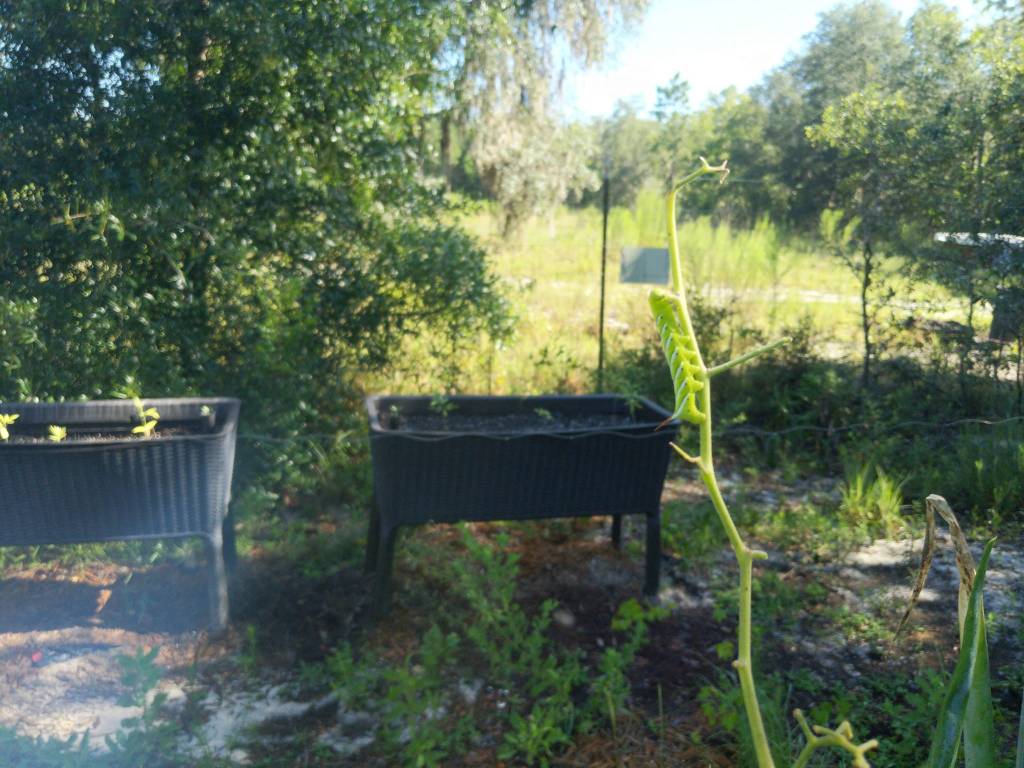
There are resin or plastic vertical self-watering beds that will reach hip height that you can purchase from your local big box store or have shipped from Amazon. I have four of them and they have been the longest lasting beds out of all the planters I’ve tested in all the years that I’ve done planter style gardening. If you choose wood, some of it is pressure treated and there are individuals who have a problem with the potential for chemicals. If you get pine or cedar, they may last a good while, but you have to weigh out the financial impact. The corrugated metal beds will heat up the soil during the summertime so be careful what you choose to plant in them.
If you have the finances, there is a model of planting bed known as Veg Pod that is self-watering, capable of holding 1 foot depth of soil, and has additional accessories to make gardening easier. In videos I’ve seen, those in wheelchairs are able to wheel underneath the planter and get fairly close up to plant and harvest from it. Considering the cost of labor for a DIY garden bed and the materials, it could be actually cheaper to go with the veg pod model. It would give you the ability to upsize your garden since you don’t really want to start out with a huge garden anyway, as it can overwhelm the new gardener. You can go to the website to view all the features of the product but I would recommend you price compare with places like Amazon, Home Depot or Lowes.
If you are in a wheelchair but capable of sitting upright on the ground, you can always do direct in-ground planting and simply lay a blanket and gardening pad down to protect yourself to do gardening or weeding. You could even rig up something with a patio umbrella if your partner or friend is able to sink it into the ground for you.
If you have some physical limitations but do not require a wheelchair, you can purchase a garden stool or wheeling chair to move about the garden area as well as take a break during your time in the garden. There are gardening tools with detachable extenders or simply happen to have a long handle attached. I personally find the company Fiskars makes some solid gardening tools for use with your vertical garden beds. There are some companies that make garden bags with Velcro straps already attached or you could buy a garden bag and attach Velcro straps to it yourself. There are specialized gloves that allow you to Velcro a garden tool to it for easier usage.
When you are initially setting up your gardening space, consider how much it will change over the next few years before you go and invest a huge amount of money into it. I would recommend that if you live alone or with a partner, you start small and build up in the amount of garden beds that you establish. If you heaven forbid, have a bug infestation with too many beds to keep up with, it will be very discouraging to you. It’s okay to level up after a period of time, everyone starts somewhere.
If you have the space, there are indoor vegetable garden towers that require either direct sunlight or you will need artificial lighting that will allow photosynthesis within all of the plants. You can of course set up these large gardens in a garage, but you will need to take into account the reality that most garages get extremely hot during the summer and will likely damage or kill your plants. A Florida room or spare bedroom would be a more likely space to set these up, but you will have to decide that with the inhabitants of your home.
Mental Limitations
If you have individuals who have learning disabilities, you will need to take into consideration the reality that they can become easily overwhelmed and will not be able to complete large projects. You can provide smaller planters for these individuals, but you will need to research what plants will thrive based upon the depth of the planter. There are programs currently on-going as part of therapy for special needs individuals that you can sign up your family member for to help get them involved in gardening. My youngest child has autism and while she isn’t able to do the more physically demanding garden projects, she is able to fill pots with soil, plant seeds and assist in harvesting produce.
I have an ongoing theory that some humans were made to be hearing learners and some are visual learners, so if your family member is unable to understand verbal instructions, consider pulling up videos on youtube or other websites and allow them to search for something that will help them better understand. There are always options to help get family members out in the fresh air gardening and producing food for the homestead, never discount a person because of their limitations.
If you are someone who would see gardening as more of a “have to do” versus a “get to do” mentality, try putting on some music outside while you are working. You’ll have the clean air, warm sunshine, exercise and mental stimulation in addition to the enjoyment of your favorite tunes.
I’ll end this with saying that if you have a family member who struggles with PTSD or Anxiety, please consider researching if horticulture therapy would assist them in their healing. I struggle with both, and I can attest to the therapeutic benefits of gardening. If you have any questions or need any help, contact me on FB or text me on my cell.
Additional Tips:
- When buildings paths, be sure they are wide enough for wheel chairs to go down with additional space to turn around as needed.
- Be sure that pathways are firm enough to hold up the weight of the person in a wheelchair and not be mucky after a recent rainfall. Try using fine gravel or mulch to give extra stability.
- If you decide to hire a contractor to build a wooden garden bed, be sure the actual person who will be using the bed is available to assist with measurements.
- Purchase strong gardening gloves to help protect hands against thorns and thistles.
- Buy a pocket apron to hold small tools or a bag that can attach to a garden stool or wheelchair.
- Have someone nearby in case there is a problem and you need help.
- Be sure to hydrate well before going out in the summer heat.
- Wear SPF protection while out not matter how short of a time you might be outside.
- Purchase a mosquito netting hat to keep your face from being bitten.
- Visit your local handicap accessible community gardens to not only support them but attend any events to gain knowledge.
- Purchase the right garden tools before you even begin your gardening efforts.
- Take frequent breaks if you find yourself easily exhausted.
- Don’t do heavy lifting, get your grandkids or partner to help you out.
- Use drip irrigation to help reduce wrist strain.
 Suburban & Rural Homesteading Today