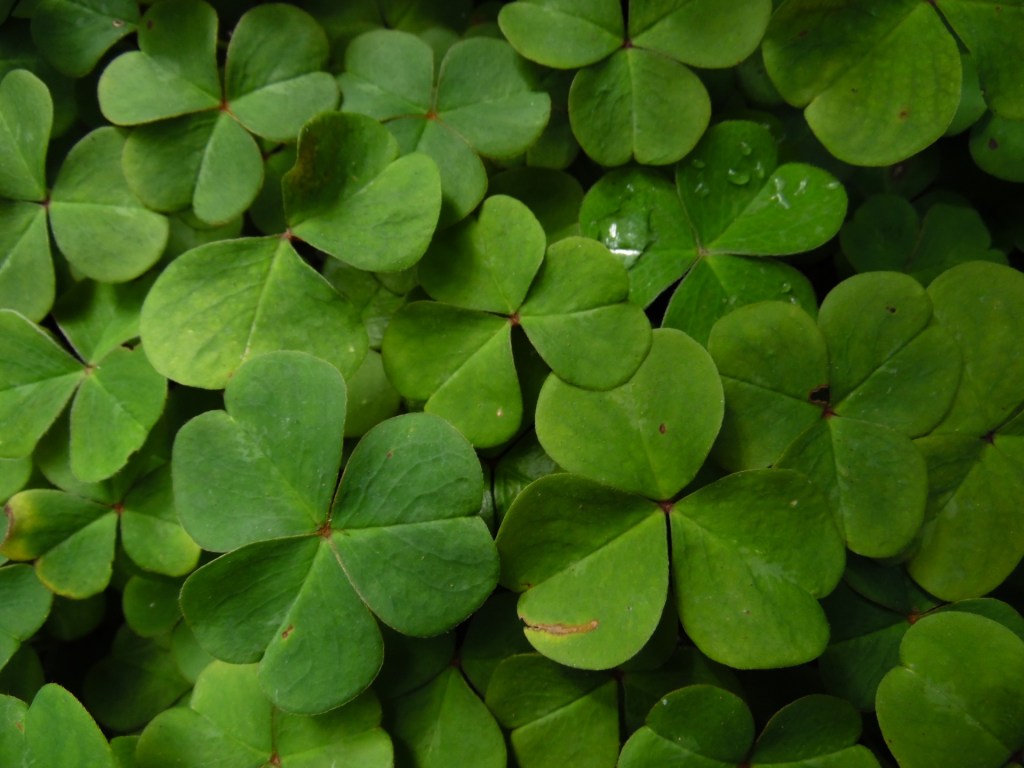
When you are building your food forest, you’ll eventually add the addition of what’s known as ground covers. The purpose of a ground cover is to cover up any bare ground so that no weed seeds can pop up and get established. You can put all the effort into it that you want with constant weeding but at some point, you will consider dropping in some ground cover to get established and take over. Believe it or not, you won’t start with ground covers as you build your food forest but rather it’s the last step. You want to get your canopy established so that you can then come in with each continuing layer. You’ll know it’s time for ground cover when the sun is dappled, and the forest floor has signs of abundant mushrooms and a variety of insects.
As always, please research a particular plant for its toxicity status for humans, pets and livestock. Don’t trust some random person on a gardening forum but actually research the plant thoroughly.
- Clover
- Squash
- Perennial Peanut
- Sweet Potato
- Nasturtium
- Strawberries
- Purslane
- Tropical Spinach
- Creeping Thyme
- Trailing Vinca
- Sedum
- Creeping Phlox
- Creeping Jenny
- English Ivy
- Hosta
- Moss
- Oxalis
- Frog Fruit
- Sunshine Mimosa
- Lambs Ear
- Sweet Alyssum
- Oregano
- Thyme
- Sweet Woodruff
- Mint
- Chickweed
- Wood Violet
- Bunchberry
- Lemon Thyme
- Creeping Raspberry
- Gotu Kola
- Creeping Rosemary
- Dandelion
- Dollar Weed
- Creeping Sage
- Wintergreen
- Goumi Berry
Depending on where you live, some of these may be listed as invasive species so check your local laws and educate yourself so that you can decide whether or not a plant is right for your environment.
 Suburban & Rural Homesteading Today