After living in Florida for 42 years, I would recommend the following plants to start you on your journey. If you already have edible plants on your property from a previous owner, be sure to educate yourself as much as you can about each specific plant. Before planting perennials, please find a reputable nursery/farm and see if they will let you come during the fruiting season so that you can try a few different varieties to see which one tastes best to you. If you live in North or Central Florida, hit me up through text or email and I’ll do my best to help you find a local facility.
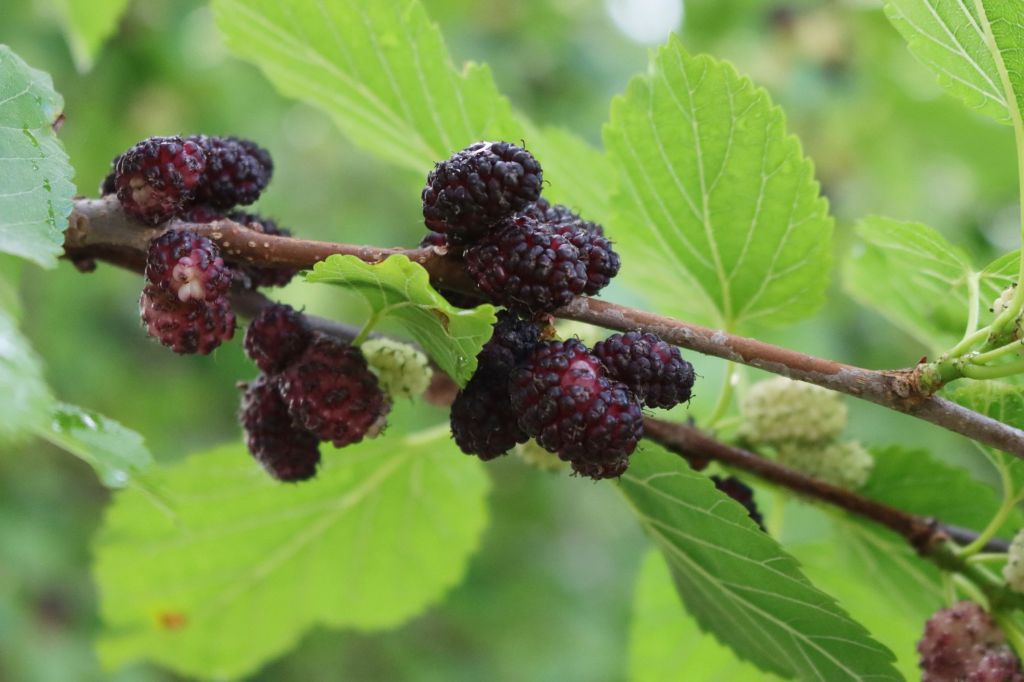
Mulberries (Perennial) – This is a high production plant once established and comes in many varieties. Be aware that it’s generally unwise to mix your white and red varieties due to fungal infestations jumping from white to the other varieties. If the only option you have is to go to Home Depot or Lowes to pick up a Mulberry, that’s understandable but I would highly recommend you find a gardener that has experience with being able to tell you the pros and cons of all the varieties they sell.
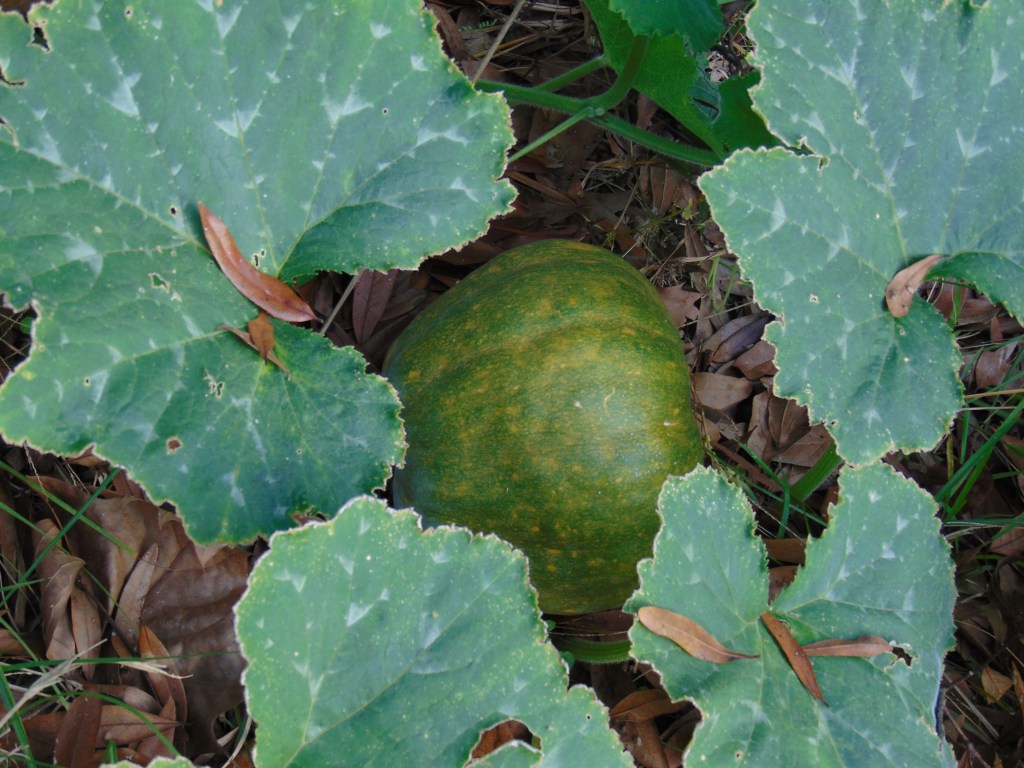
Seminole Pumpkin (Annual) – This native pumpkin will produce vines as far as 50 feet long and will produce a pumpkin that can grow as big as 10+ inches. Lovely bright orange flesh that will produce a fragrant earthy meat. During the time I grew these, not one single insect wanted to mess with any part of this plant.
Sweet Potatoes (Perennial)- You can purchase a bag of organic sweet potatoes from your local natural food store and growing slips off them is incredibly easy. Please don’t waste time using the toothpick and jar method when you can literally throw them in a black tray and cover with potting soil and keep them watered. Pop off the vines once they get around 10-12 inches and put in a new pot with soil until well established roots are visible, then move to their location.
Cucumbers (Annual) – Personally, I have only had success growing marketmore and pickling cucumbers in the spring and fall temperatures of Florida. Summer seems to be bug season and I would rather take a rest period during summer versus trying to deal with the unpleasant 100+ degree temps. Some individuals will run them up and over an arch or build teepees but I actually drape them off the side of my hip height garden planters and collect as needed.
Tomatoes (Annual) – Please don’t buy into the idea that any tomato variety will grow in FL because it’s “always” hot here. I love the beautiful pictures of heirloom species, but you need to grow what thrives in our environment. Everglade Tomatoes are a native tomato to Florida but there are other species that are hybrid varieties made for FL heat and humidity. Check out flseeds.com for some great selections to choose from.
Radishes (Annual) – Incredibly easy to grow and most crops can be harvested in around a month, then you can start up a whole different species if you want to try different flavors.
Lettuce/Greens (Annual): Due to Florida’s intense summer heat, we can only tolerate growing the lovely tender leafy vegetables during spring or fall temperatures. If you want greens during the summer, you can either grow perennial tropical spinaches or you can grow micro greens in a jar in your kitchen.
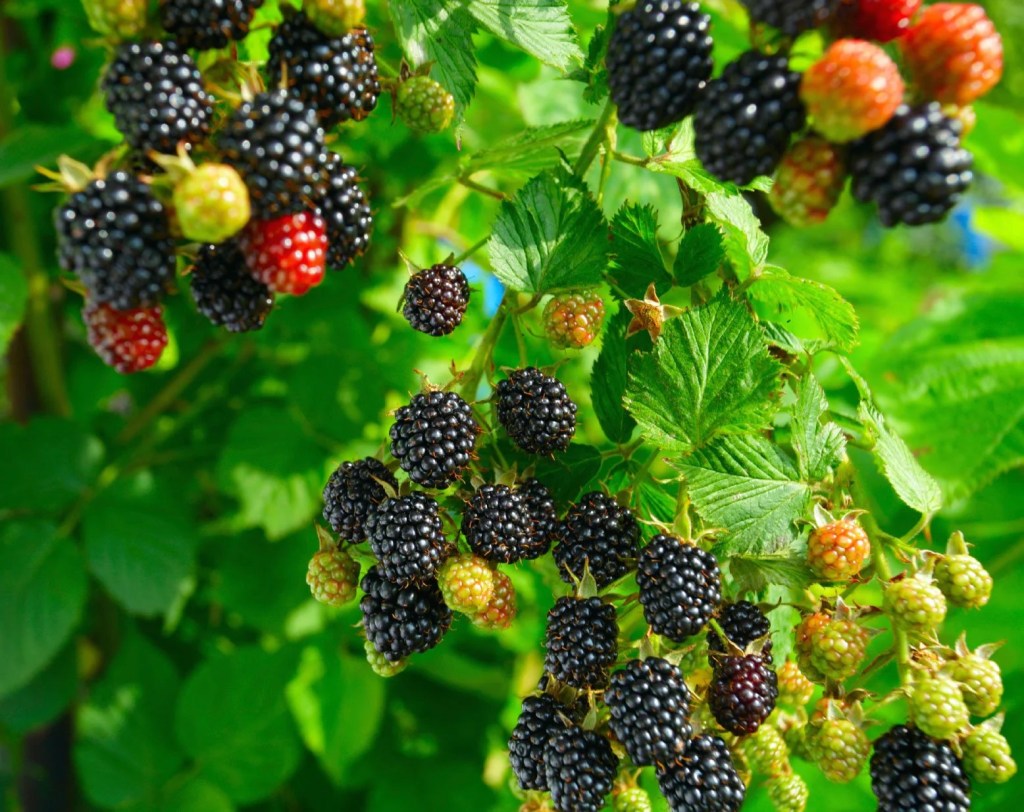
Blackberries (Perennial): While wild blackberries can be a pest for many land owners, there are varieties that can be kept at a 2-3 foot size that will produce an abundance of fruit once they reach a mature age. The only down size, no matter what berries you grow is that the birds will compete to get them before you do. I recommend, again that you find a local nursery or gardener that can help you select a variety that grows well in your particular area.
Kale (Annual)- There are a few varieties that will grow well in our zones but again you want to plant them in spring and fall since our FL summer heat will take them out. There is a species called tree or dinosaur kale that some have been able to successfully put in a shaded area and take it through the summer but it’s something you will have to try on your own.
Peas (Annual): You can grow beans during the hot summer temperatures but during the spring and fall temperatures, aim for the micro and bush varieties to get the best bang for your buck. There is a cow pea or black eyed pea that can handle Florida temperatures that you can grow during summer but the cute green peas need cool temps.
You may be tempted to grow flowers, tropical vegetables and many exotic fruits but start out with things that have a higher probability of being consumed by your family.
 Suburban & Rural Homesteading Today