During the spring and summer seasons here in Florida, we have tons of rain and it’s imperative that we gather as much as we can and ideally reroute it to focus on guilds and fruit orchards within our property. However, during fall and winter we have a significant drop in rain fall mixed with intense temperature variations that require some ingenuity.
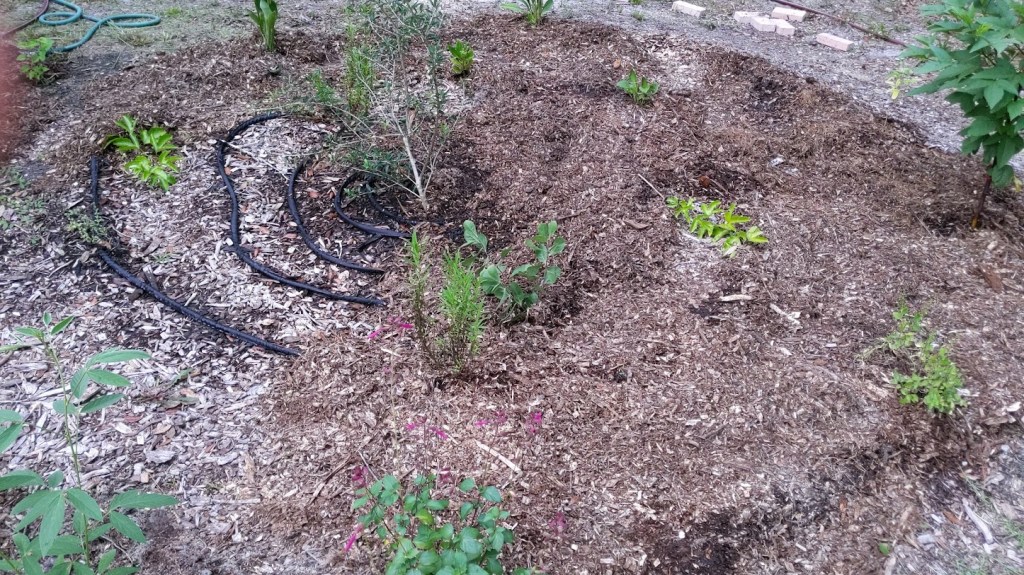
One of the best ways to preserve water around your plant’s roots, is to put a layer of flattened cardboard box material and then cover with around two to three inches of a natural mulch such as cypress wood mulch. Additionally, I like to throw in a handful or two of bentonite cat litter in my garden soil medium which expands and holds water even closer to the root system.
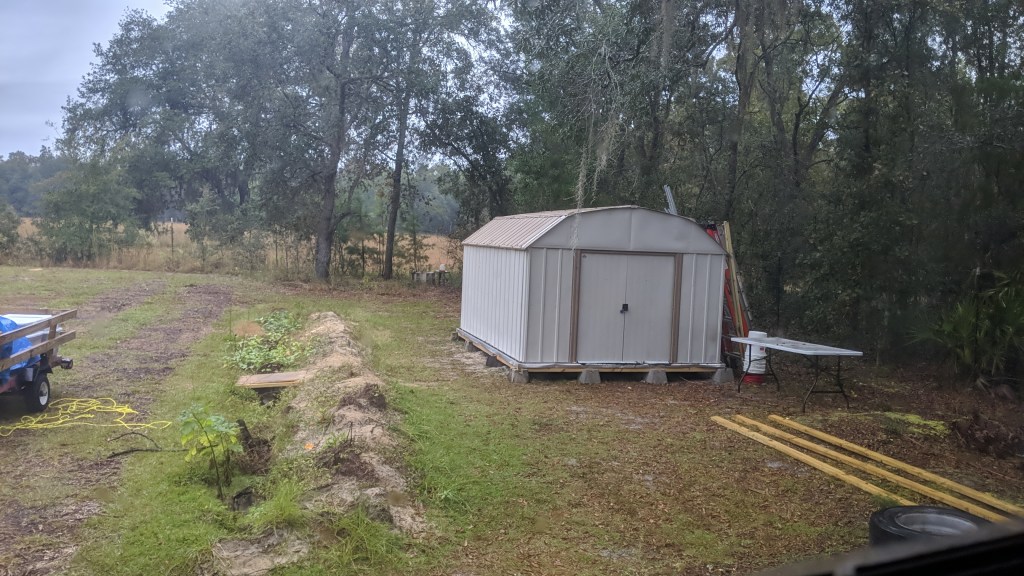
In the boonies where we live, the soil we have is actually the consistency of a sandy material that’s very similar to what you see along the Florida beaches. Unfortunately, this sand might be great for playing in but it’s horrible for trying to establish a food forest. One of the solutions to this is by creating what my husband and I refer to as a composting trench system which helps reduce the impact of trash being taken to the dump and the burning of fossil fuels. The trench system not only captures water the moment it’s dug, but as we add materials it will hold and absorb water from the environment and deposit it in a bed that’s rebuilding terrible soil.
We additionally have five rain barrels that actively catch every bit of rain that we can during the year but when it’s really dry out we will fill the barrels once a week and release the valves in the early morning or late afternoon on the driest days. Rain barrels are far cheaper to DIY than to purchase a complete unit that has been assembled and shipped to you from somewhere in China. I recommend using a sturdy olive barrel versus the trash can rain catcher because I’ve simply had more success with that style.


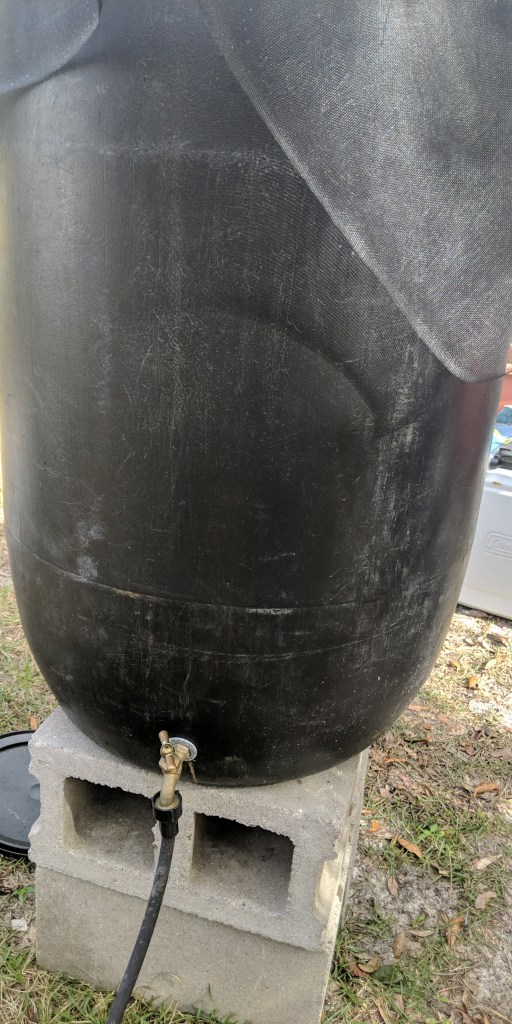
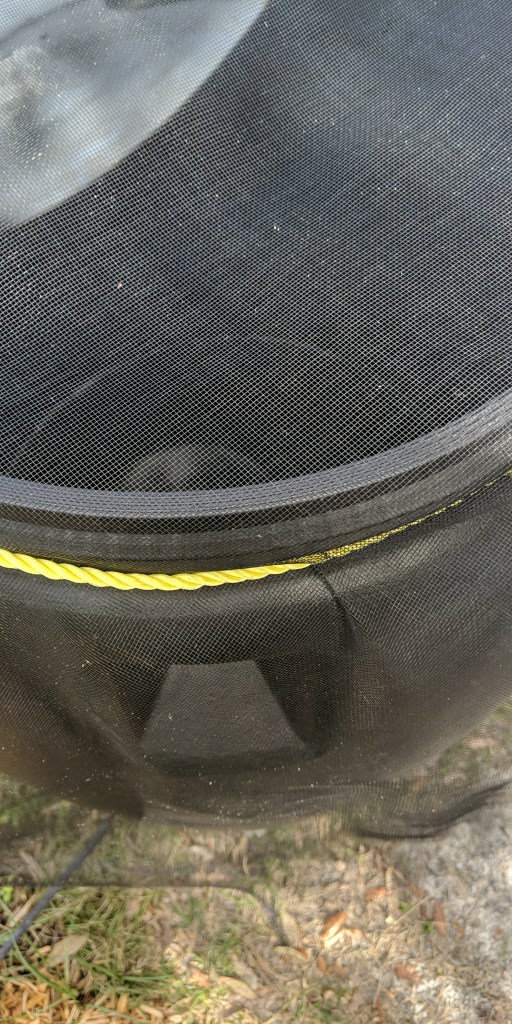

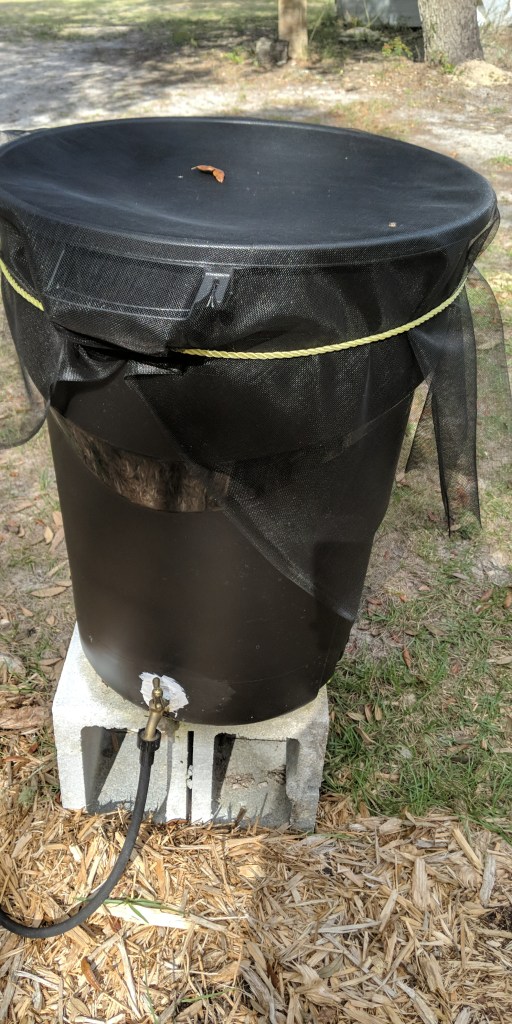

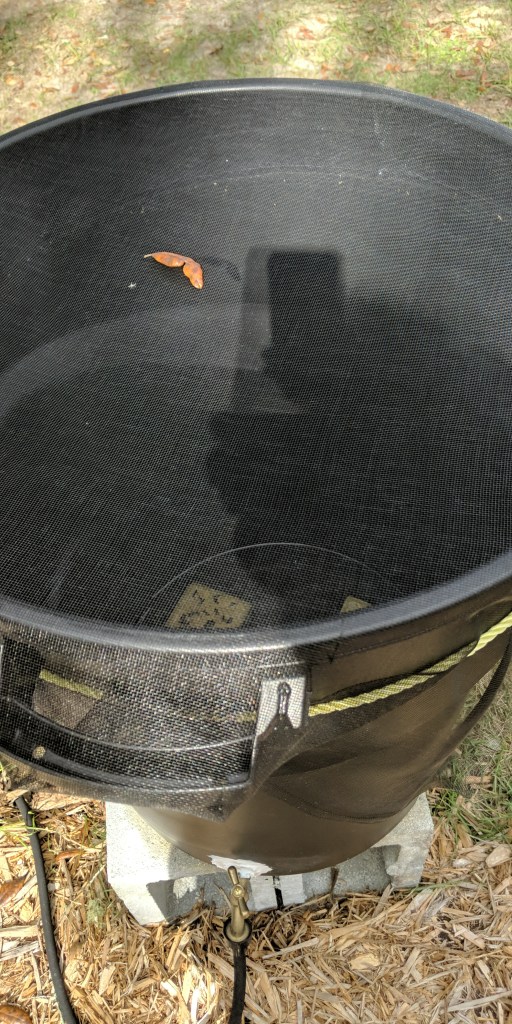
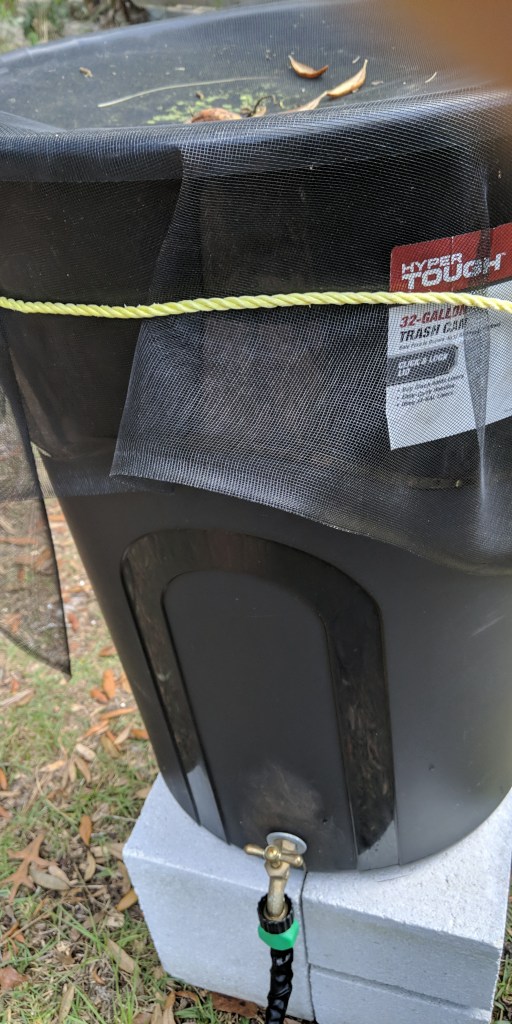
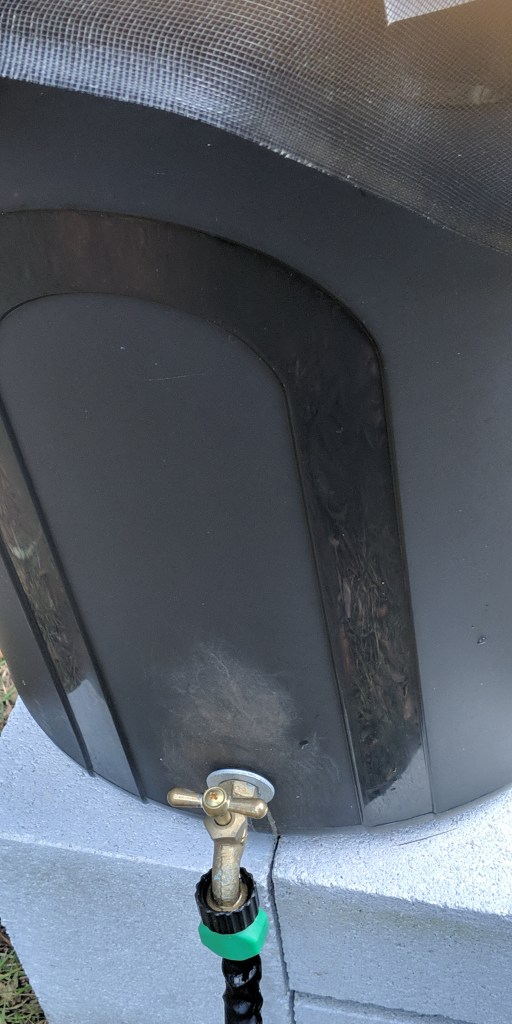
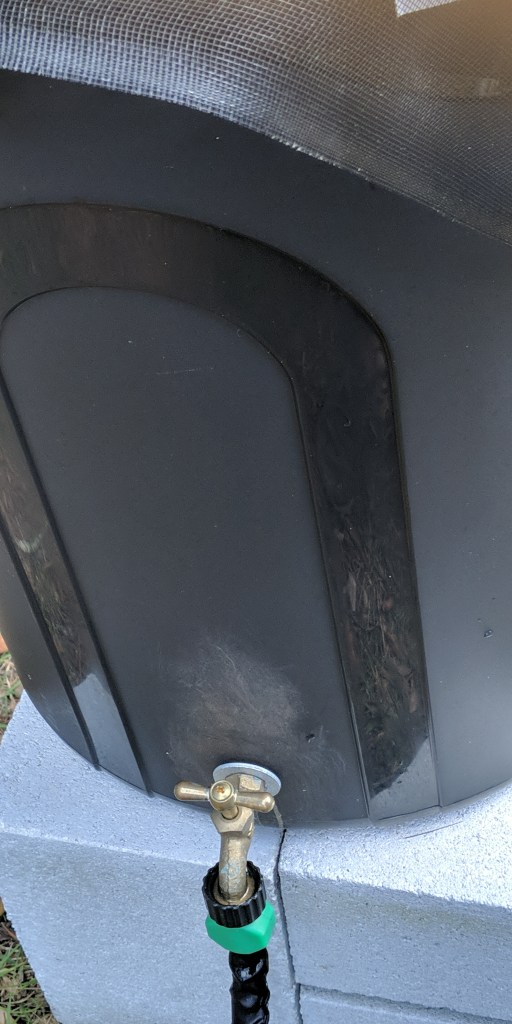

One of the things we like to do is attach drip hoses to the rain barrels so that not only do they get a solid 40-50 gallons of water but thanks to the drip hoses, the water flow is much slower and allows for better absorption. We recommend that you use drip lines to give your food forest an opportunity to establish itself but at some point, it’s a good idea to uproot the drip line and if it’s still functional, add it to a new bed and location to help get it established. You will need to cover the drip line in mulch so that it doesn’t break down quickly under the strength of the sun’s UV rays. A single drip hose can run you about $25-$30 each and you should therefore make sure that they are well cared for.
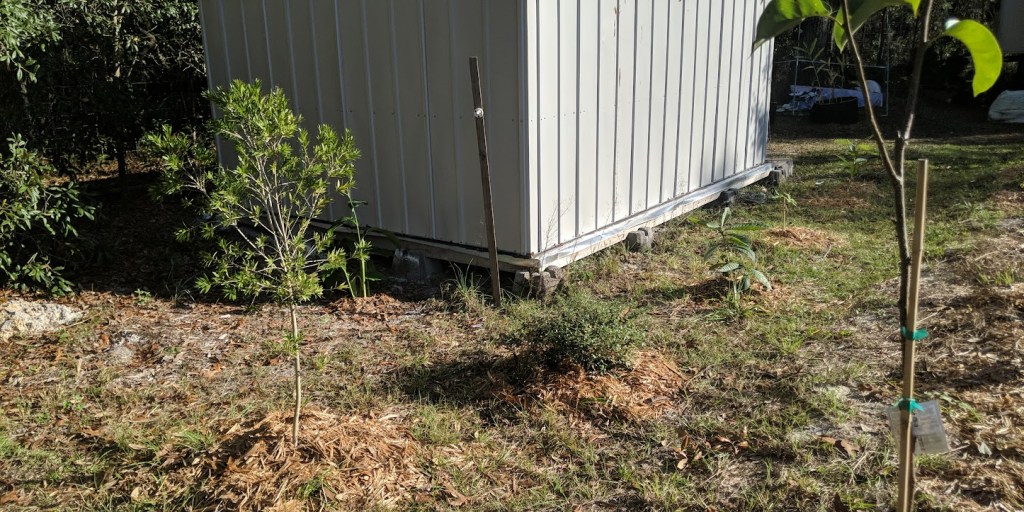
Another consideration is to plant where you know water will be abundant during the rainy season and apply a decent mulch to hold in moisture when the dry season hits. We have a metal shed that has water which flows directly off the roof onto the ground and since nothing was planted there it went wasted. Now I’ve got canna lillies, loquats, bolivian sunflower, yaupon holly and a bottle brush tree that take up whatever they can.
If you need any help figuring out how to make changes to your property, feel free to contact me directly. Happy homesteading!
 Suburban & Rural Homesteading Today