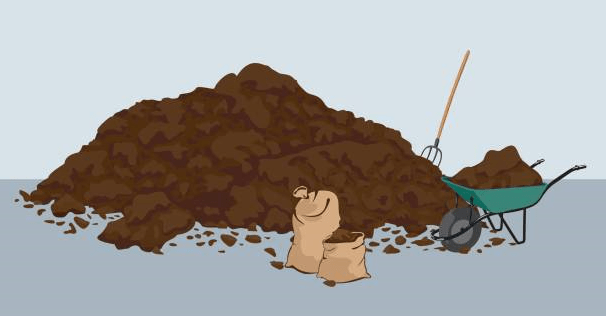
Currently, we are experiencing a fertilizer shortage across the glove. It’s such a dire situation that countries are refusing to export the little supplies that they have. Honestly, I can’t say that I blame them because food shortages and inflation are in our future. We already see stores setting purchase limits but now there’s discussion of government sanctioned rationing.
There are three types of animal poop but not every type is safe to apply to your vegetable garden in their “fresh” state. The three types are Carnivore, Omnivore and Herbivore. Carnivore creatures have a higher probability of parasites and bacteria. Omnivore of course eat both meat and vegetation but still have the possibility of harboring bad gut guys in general. Herbivores are your safest bet because they eat strict vegetation, and have a lower incidence. This isn’t to say it’s one hundred percent safe, but it’s the better of the three options.
You can pick up animal manure from various locations like zoos, animal rescue organizations and even other local farms. The major downside to getting manure off-site is there is the possibilities of herbicides, pesticides and weed seeds that survive the digestion system. Be sure before you bring any manure on property to inquire about their practices and what is being fed to the animals. As discouraging as it is, you’ll find a number of unnatural foods being given to animals who weren’t designed to break down those compounds. I’ve seen video of animals being fed troughs of old candy, which are surely not part of a normal animals diet.
Many new people to farming just assume you can spread even partially composted horse or cow manure on your garden and you’re fine to begin planting. This is not at all good for your garden and will likely kill new seedlings due to the high nitrogen content in most animal poop. It must be composted for several weeks with plenty of “greens” and “browns” to get a nice combination of ingredients and kill off pathogens.
No matter what source you choose for your garden or orchard, educate your family on the proper handling and safety procedures, especially with little ones. I recently read of some individuals who actually purchased a well known brand of composted cow manure only to find it infested with an invasive species called a New Guinea Flatworm. I’d rather not go down into the rabbit to express how dangerous and invasive this species is but suffice to say you should always wear gloves when handling even brand name composted manures you get from the big box stores. Speaking of rabbits, they provide the perfect manure for both vegetable gardening and orchards but more on them below.
Common Sources of Animal Manure
- Poultry Manure
(Good source of nitrogen, phosphorus and potassium but *MUST* be composted ) - Horse Manure
(Good in nitrogen and potassium, can contain loads of viable weed seeds and *MUST* be composted) - Sheep Manure
(Good in nitrogen, phosphorus, and potassium but sources not as readily as others and *MUST* be composted) - Cow Manure
(Plentiful sources, good source of nitrogen, phosphorus and potassium, *MUST* be composted) - Rabbit Manure
(Must find sources or raise them your own, great for direct application once dried, twice as rich in nutrients as other animal manures, less odor, needs no composting time, dries quickly) - Other Animal Manures
(While there are other sources out there, even the bedding material from hamster cages have been talked about potentially being used. If you can’t find hard scientific proof that a specific animal has safe manure that won’t burn plants, just compost it for a decent amount of time.)
I’m currently working on researching humanure (don’t make that face!) and urine (or that one!) for potential uses in the garden or orchard as a fertilizer, so I’ll be dropping that blog post in the next few weeks. I assure you, you’re going to be desperate for the most available natural fertilizer in the future and you won’t be so picky when supplies are even lower than are now.
 Suburban & Rural Homesteading Today