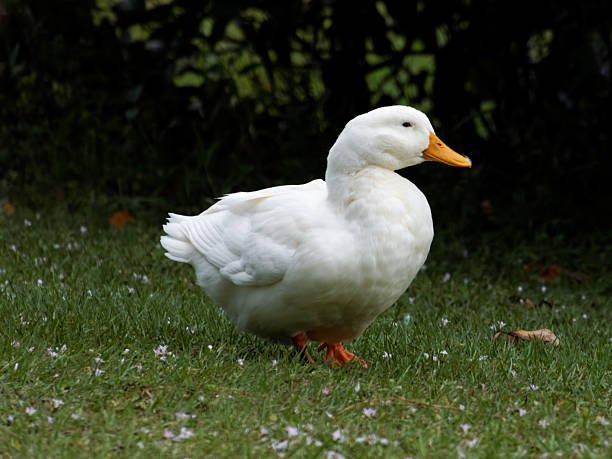
While not the first animal that might come to your mind for your homestead, the adorable duck has it’s uses and can be a useful addition to your farm animals. Duck have a rich fatty meat that can be an excellent source of nutrients and protein during difficult times, in addition their eggs are edible. Though, if you have never tried a duck egg, be warned they are much stronger in taste and some individuals find themselves allergic to them.
You can purchase ducklings or mature ducks at various locations from farms online to the individuals who raise them for side income. Stores like Tractor Supply usually have at least chicks in stock during spring time, but you want to call ahead of time if you are strictly looking for ducklings. If you’ve missed the window for spring chicks, ask an associate for a purchasing flyer and you can set up to have an order mailed to your local post office.
Before purchasing your ducklings, you will need a few items to make sure that you give them the best opportunity to thrive. Be sure to shop around or scrounge around your property to DIY some of these needed items.
– Brooding Pen: This can be as simple as a plastic tote lined with newspaper and a thin covering of bedding to more elaborate pens. Be sure to change the bedding as needed. Many individuals have commented that purchasing some feather dusters and suspending them upside down in the brooding pen helps settle them down,
– Poultry Waterer: This needs to be deep enough for a duck to not only drink from but wash his nostrils out with. However, be sure to use an actual waterer designed for fowl as ducks have been known to drown in bowls of water due to the inability to get out. Change water as needed. In an effort to discourage bacterial or viral issues in baby ducks, some farmers opt to add either fowl probiotics or a tablespoon or two of apple cider vinegar to a gallon or two.
– Feeder: Make sure the food you purchase for the ducklings is age appropriate and nutritionally balanced for growing ducks. If at all possible, purchase a feeder that snaps closed and isn’t easily knocked over. If you use an open feeder, be sure to remove it periodically during the day as ducks are known to sit and poop in their food troughs.
– Heating Source: A heating source to keep ducklings warm is especially needed if you keep them out in a barn but is just as equally useful if they are kept in a tote inside your home. Be careful to set it at it’s lowest and watch signs for discomfort in your ducklings. Even though ducks have many feathers, you may need to provide a heating source during winter season as well.
– Duck Coop: You can potentially raise up ducks, chickens, geese, and other fowl together when they around the same age. However, if you attempt to throw ducks into a chicken coop, you can find yourself having to separate two agitated parties. So, either purchase ducks and chickens together around the same age or have completely separate pens for them.
– Swimming Pool: Do not allow ducklings access to deep water as they must be taught how to swim, the way a mother duck would normally teach them. At around 4 weeks of age, the duckling will develop a waterproofing coating on their feathers and after watching numerous videos on how to introduce ducklings to water, you can do so with yours. One of the most common items purchased by those who keep ducks are small child sized “kiddie pools” and with some scrap wood you can create a step to allow your ducks to enter and exit the pool. Do not leave standing water until your ducks reach a mature stage otherwise they will drown.
Now that we’ve finished with supplies, we can look at the most common duck breeds kept on the homestead. As I said when discussing chickens and rabbits, many HoA, county, state and other municipal codes will prevent you from slaughtering ducks for meat in suburban or urban locations. I would expect that during difficult times, it would be hard to find code enforcement running around enforcing draconian laws.
Duck Breeds & Information
- Pekin: M/F 6-7# Mature, Origin: China, Egg Prod: 160
- Muscovy: M – 10/12#, F – 5/6# Mature, Origin: South America, Egg Prod: 80 to 100
- Aylesbury: M – 10/11#, F- 8/9# Mature, Origin: United Kingdom, Egg Prod: 100 to 110
- Buff Orpington: M/F 7/8# Mature, Origin: United Kingdom, Egg Prod: 220
- Blue Swedish: M/F 7/8# Mature, Origin: Pomerania, Egg Prod: 100 to 150
- Cayuga: M/F 7/8# Mature, Origin: United States, Egg Prod: 100 – 150
- Silver Appleyard M/F 7/8# Mature, Origin: United States, Egg Prod: 220
The breeds above are the more common but there are no doubt many more varieties located in other countries that have yet to be brought to the United States or are hard to find. Like all animal species, before you go out and purchase any, do as much studying as you can to learn about their temperament.
In addition to pellet foods, ducks enjoy a variety of plant matter such as lettuce, kale, dandelion, chickweed, duckweed, clover, oregano, mint, dill, parsley, and can even have mashed up berries or and some fruits. However, many avoid spinach due to it’s ability to hinder calcium absorption. Ducks are excellent at catching bugs in your garden and will happily eat as many as they can. Though, you should wait until your garden plants are mature as ducks will happily decimate tender seedlings.
For the highest probability of success, check out local sellers on craigslist.org or Facebook Marketplace as these will most likely fair far better in your region and the seller should be more than willing to answer any of your questions. Be sure to purchase one male duck to twelve female ducks, since the males prefer to mate frequently. A word of warning, the mating process of ducks can be at times quite violent so be prepared for an ample amount of lost feathers and noise. Do keep an eye on your females and make sure they don’t end up with serious injuries.
Before I forget, avoid allowing ducks (or really any fowl) to free-range near your house as they poop darn near everywhere and if you have nice outdoor furniture you want to keep them in a mobile coop to avoid all the messes.
 Suburban & Rural Homesteading Today