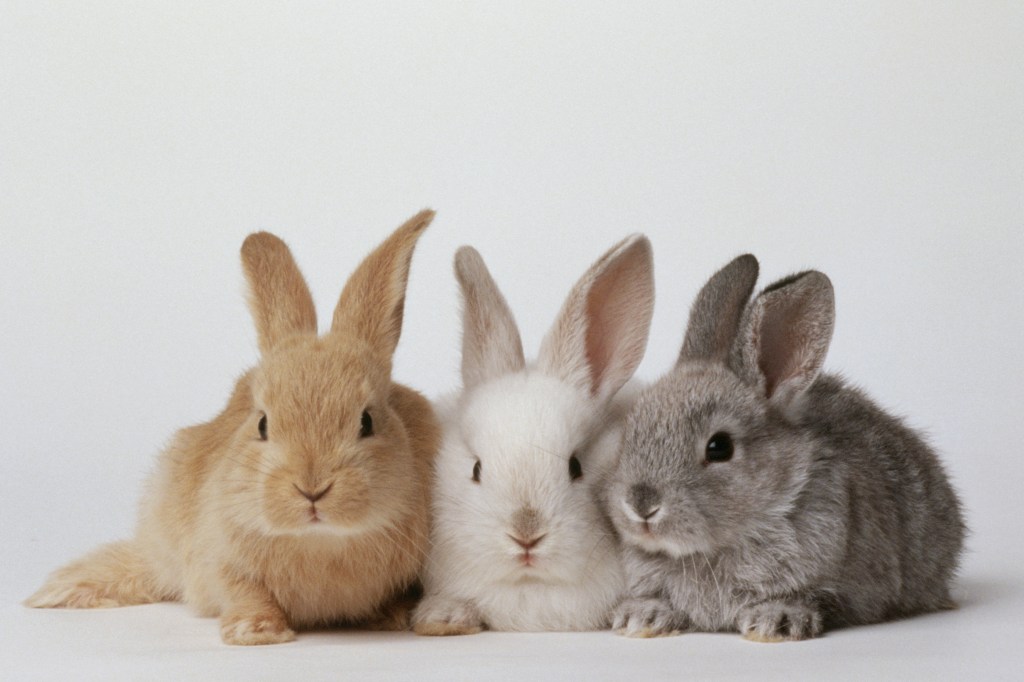
While you might not immediately think about adding rabbits to your suburban homestead, they have many attributes that make them more ideal than even chickens or ducks. As with any animal purchase, you need to do as much reading as you can before you go and even purchase any animals. In this article, I’ll do my best to tell you everything I can about rabbits since my family raised them when I was a child.
You’ll find a variety of opinions when it comes to the personalities of rabbits, half of youtubers will claim that a specific species of rabbit is extremely hyper and unfriendly. While the other half try to convince you that in their experience, that very same rabbit is very calm and loving. Breed means nothing, meet the animal in person.
Rabbits have four main uses in the homestead:
- Breeding for Income
- Meat
- Pelts
- Herbivore Manure
In most counties across the United States, it’s illegal to slaughter an animal within suburban/urban areas. It will not matter if you are on your own property or not, all it takes is one panicking, offended neighbor and your in trouble. The punishment can be a hefty fine, removal of any other animals, and even jail time. In what we call a grid down scenario, I don’t think you’ll have too much to worry about though. So, for the suburban/urban homesteader you will have to forego the option of culling your rabbits for meat or pelts until it hits the fan.
Breeding rabbits is an excellent source of income for young teenagers or grown adults. Before you go down the path of breeding them, you will of course need to educate yourself about your local policies within your own district. If you own your own property that hopefully isn’t within an HOA, you should be able to raise rabbits fairly easily in your back yard with the construction of a strong hutch. If you are a renter, then the reality is that you will either have to discuss with your landlord if it’s okay for you to have rabbits in your yard.
The most common rabbit breeds for homesteading are:
- White Californian (Meat)
- White New Zealand (Meat/Fur)
- French Silver or Champagne d’Argent (Meat/Fat/Fur)
When choosing a homesteading rabbit, you want to avoid certain rabbit breeds because of the issues they pose. If you go on craigslist and find ads for Dutch, Himalayan or Polish then you are looking at what are referred to as show rabbits or pet rabbits. These will usually be called pure breds and will come with a hefty price tag. In addition, these breeds are too small for meat production and will likely result in a waste of your income.
There are of course rabbits on the opposite spectrum that are extraordinarily large such as the Flemish Giants, Checkered Giants and Angora breeds. In the case of rabbit breeding, bigger doesn’t not always equate to better. These rabbits, like their petite cousins, are usually advertised as pure bred and they too come with a hefty price tag. These species are used specifically for their pelt/wool or as show rabbits where they basically just earn ribbons or small amount of cash. These large species require a much larger hutch with usually one rabbit per hutch due to their girth.
When you are deciding on rabbits, you need to factor in what type of housing the will require. Most homesteaders opt for either the simple stand up hutch but recently farmers have developed different blue prints for a rabbit tractor that allows them to be moved across your property every few days. Tractoring rabbits seems to be ideal considering the abundance of fresh grass, clean air and natural environment. With the tractoring method however, you require a fairly good sized back yard where you can move the animals freely.
In many videos and even movies, you’ll see people keeping their rabbits inside their home or garage. This is not a viable option and it’s most likely done for show, so please don’t be swayed by it. The only time you would bring rabbits inside is if it would go to an incredible temperature that you knew would affect the health of your rabbits. Rabbits eat constantly and they are poop monsters, you do not need them inside your home.
Speaking of poop, rabbits are true herbivores and their poop is almost the perfect fertilizer for your food garden. While tractoring has benefits, you will lose all that rabbit poop to your lawn which might be great if you want a green lawn but it’s not helpful for your vegetable garden. If you keep your rabbits in the traditional hutch, you can angle a piece of tin roof and a plastic bin so that poops roll down the roofing into a bin that can be collected daily and dispersed throughout your food garden. Unlike with other farm animals, you do not need to compost rabbit manure or add anything to it, just sprinkle onto the base of your plants and water.
While many suburban/urban communities are safe for rabbit rearing, you have to recognize that there are still dangers and you must be prepared to invest time and money into giving them a safe home. Rabbits are typically docile and despite having the ability to scratch or bite, rarely have enough strength to damage predators. Therefore, it’s of utmost importance that you assess the dangers in your community for your rabbits.
Whether you plan to tractor or use a traditional hutch, be sure to select a wire cloth that is 1/4″ in size as it allows for air to flow inside and outside but almost every predator will have great difficulty trying to enter their home. You should take care that locking mechanisms are not easy to open and require some bit of effort to get in. You have to construct your rabbits home while keeping in mind that dogs, cats, snakes, large predator birds, coyotes, and even bugs will pose a threat. A great way to help deal with preventing bug attacks is layering a piece of screen over the 1/4″ hardware cloth. The screen is readily available at big box stores or even online.
While you might not consider your child a predator for your rabbits, children have and do pose a threat if not trained properly in the care of rabbits. Children must come to the understanding that rabbits (even domesticated ones) are not pleased when they are constantly held or touched. In addition, rabbits have a very specific dietary guide and while children may have the best intentions, they can accidentally poison a rabbit by feeding it the wrong thing.
When you have finally found a source of rabbits, be sure to physically go to the sellers home and see what type of environment the rabbits are currently living in. You want to access whether the animals have access to move around, have clean water, fresh food, and ample space. A rabbit hutch should not have an offensive odor to it. If the environment has a foul smell or just looks unclean, make your excuses and find another seller.
If all the environmental boxes are ticked off, then you need to start assessing the personality and health of the animals for sale. A seller should have no problems allowing you to take the animal out to inspect it. If the seller appears nervous despite your assurances that you will be careful with the animal, this should be a red flag. Once you have the animal in your own lap, you need to watch it’s personality and see if it is docile, hyper or tries to avoid you at all cost.
In addition to personality type, you need to access the animals health and see just how well it’s been cared for. You need to look at it’s eyes for signs of blindness, signs of infection or crusting around the eye lids. Run your hands through the animals fur and look for signs of recently being attacked by a predator, strange worn spots, or pests infestations. Bring a small flashlight with you and inspect the rabbits ears to look for any mites, wounds or infections. Inspect their feet for wounds due to lack of proper bedding materials.
While it may seem strange, you should inspect their genitals to make sure that you are actually being sold the gender offered by the seller. Be sure to inspect their teeth to avoid animals that may have severe dental damage or crooked teeth. Inspect the rabbits south end for any signs of diarrhea or caking around the anal area which could be the sign of in infections as well. Finally, spend enough time with the animal that you can listen out for any coughing, wheezing or excessive sneezing. An occasional sneeze is not necessarily a signs of sickness so combine that with the other factors I’ve discussed to assess the animals health.
Don’t be afraid to ask questions!
- How long have you been breeding rabbits? You want someone with experience.
- What are the rabbits currently being fed? So, you can give the exact same food or something similar in protein and nutrients.
- What type or hay or fresh grass are they being given? Rabbits can’t live on pellets alone.
- How old are the rabbits? The older the rabbit, the less valuable it is for what you require.
- Has the animal required any medical interventions in the past few weeks? If the animal has recently been sick, this is information you need.
While there are some things I’ve left out of this article, you can feel free to do your own continuing research or contact me and we can discuss any concerns you have. I do homestead consulting as a side job and I’m more than willing to help you determine if rabbits are right for your homestead.
Rabbit Supplies
- Rabbit Water Bottle 32oz
- Rabbit Water Bottle 64oz
- Top Fill Rabbit Water Bottle 32oz
- 5 cup Rabbit Feeder
** There are affiliate links on this website that allow me to receive a small portion of the purchases you make. Your purchase allows me to be a SAHM. Thanks! **
 Suburban & Rural Homesteading Today
One thought on “Rabbits on the Homestead”